
Fitness Routines for Men Over 50
Explore our comprehensive guide to safe, effective exercises designed specifically for active men in their 50s and beyond
Key Fitness Areas for Men Over 50
Strength Training
Build and maintain muscle mass with resistance exercises tailored for mature bodies
Cardiovascular Health
Low-impact cardio routines to improve heart health and endurance safely
Flexibility & Balance
Improve mobility and stability to prevent falls and maintain independence
Mental Wellness
Exercise routines that boost mood, focus and cognitive function
Filter by Exercise Category
Select a focus area to explore detailed guides and routines
Progressive Resistance Training
Learn how to build strength safely using dumbbells, resistance bands and bodyweight exercises. This guide covers proper form, progression strategies and recovery protocols for men over 50.
Read MoreLow-Impact Cardiovascular Routines
Discover cardiovascular exercises that protect joints while building endurance. From brisk walking to swimming and cycling, find the best heart-healthy activities matched to your fitness level.
Read MoreDynamic Stretching & Yoga
Improve range of motion and reduce stiffness with targeted stretching routines and gentle yoga flows. Learn how to increase flexibility safely without pushing beyond your limits.
Read MoreFall Prevention & Core Strength
Strengthen your core and improve proprioception with exercises designed to prevent falls. Build the stability needed for daily activities and maintain independence as you age.
Read MoreInjury Prevention & Recovery Techniques
Learn proper warm-up and cool-down routines, foam rolling techniques, and recovery strategies. Discover how to train smart to avoid common injuries in mature athletes.
Read MoreFunctional Fitness for Daily Life
Build practical strength that translates to everyday activities—lifting groceries, climbing stairs, gardening. These functional exercises improve quality of life and maintain independence well into your golden years.
Read MoreWhy Exercise Matters for Men Over 50
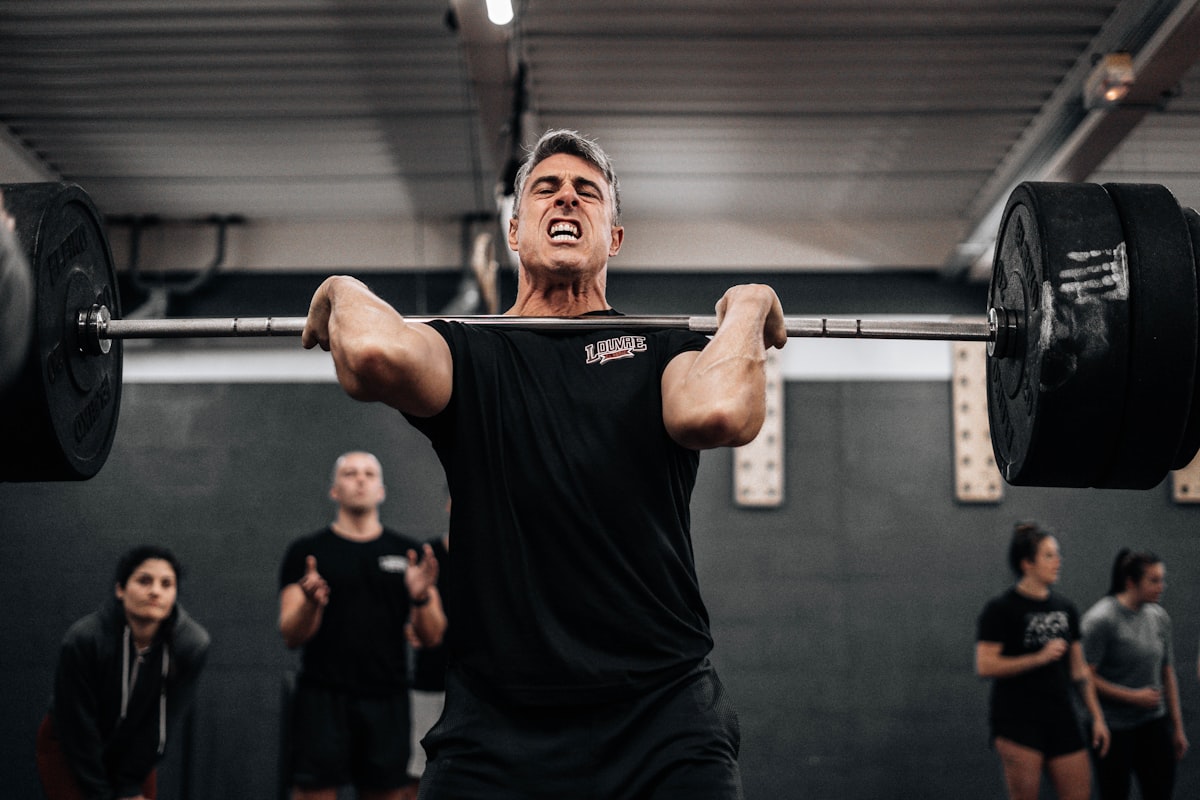
Regular physical activity is one of the most important investments you can make in your health after 50. Exercise helps maintain muscle mass, which naturally declines with age, and keeps your cardiovascular system strong and resilient.
-
Preserve Muscle and Bone Density
Strength training combats age-related muscle loss and maintains bone strength to reduce fracture risk.
-
Improve Heart Health and Circulation
Cardiovascular exercise strengthens your heart, reduces blood pressure, and lowers disease risk.
-
Enhance Balance and Coordination
Balance training prevents falls and helps maintain independence in daily activities.
-
Boost Mental Wellness
Physical activity improves mood, cognitive function, and reduces anxiety and depression.
Getting Started: Your Step-by-Step Guide
Assess Your Current Fitness
Be honest about your current fitness level and any injuries or limitations. Consider consulting healthcare professionals before starting a new program.
Choose Your Focus Areas
Select 2-3 exercise categories that align with your goals—strength, cardio, flexibility, or balance. Start with what interests you most.
Start Slowly and Progress Gradually
Begin with lighter weights and lower intensity. Increase gradually over weeks and months to avoid injury and ensure sustainable progress.
Stay Consistent and Listen to Your Body
Aim for 3-4 sessions per week. Take rest days seriously, warm up properly, and stop if something causes sharp pain.
Common Questions About Fitness After 50
Yes, strength training is not only safe but highly beneficial for men over 50. The key is starting with appropriate weights, using proper form, and progressing gradually. Always warm up before exercising, cool down afterward, and consider getting clearance from your healthcare provider before beginning a new program, especially if you have pre-existing conditions.
Most health professionals recommend 150 minutes of moderate-intensity cardio per week combined with 2 days of strength training. For men over 50, this could look like three 50-minute walking sessions and two resistance training sessions. However, even 30 minutes of activity most days of the week provides significant health benefits. Quality matters more than quantity—consistent, moderate exercise is better than occasional intense sessions.
Low-impact activities like swimming, cycling, walking, and water aerobics are excellent for people with joint issues. These exercises build fitness without excessive stress on knees, hips, and ankles. Strength training with light weights or resistance bands can also strengthen muscles around joints, providing support and stability. Always start gently and stop if you experience sharp pain—mild discomfort is normal, but pain is a signal to modify your approach.
Absolutely. While the process may be slightly slower than in younger years, you can definitely build and maintain muscle well into your 60s, 70s, and beyond. Consistent resistance training combined with adequate protein intake provides the stimulus needed for muscle growth. Many men over 50 successfully build significant strength and muscle mass, which improves functional fitness and quality of life.
Rest and recovery become increasingly important as you age. Your body needs adequate sleep (7-9 hours), nutrition, and rest days to adapt to exercise stress and build strength. Include at least one full rest day weekly, and consider active recovery like gentle walking or stretching on other non-training days. Proper nutrition, hydration, and stress management also support optimal recovery.
You can build excellent fitness at home with minimal equipment. Resistance bands, dumbbells, and your body weight are sufficient for comprehensive training. Many men find home exercise more convenient and sustainable. Alternatively, gym memberships offer variety, equipment access, and community. Choose what fits your lifestyle and preferences—the best program is the one you'll stick with consistently.
The best time is when you'll actually do it consistently. Some people prefer morning exercise to energize their day, while others prefer afternoon or evening sessions. Morning exercise may boost metabolism and mood, while evening training allows for proper warm-up after movement throughout the day. Experiment to find your optimal time and build a sustainable routine around it.
Success Stories from Our Community
"I started these routines at 52 after years of being sedentary. Within three months, I noticed significant improvements in my energy levels and ability to play with my grandchildren without pain. The progressive approach made it safe and achievable. I'm stronger now than I was in my 40s."
James Morrison
Edinburgh, Scotland
"After my knee replacement, I was nervous about getting back to fitness. These low-impact routines have been perfect for my recovery journey. I'm walking farther, my balance has improved tremendously, and I feel confident again doing the activities I love."
David Rothwell
Glasgow, Scotland
"The detailed guides made it easy to exercise at home without expensive equipment. I've built real strength, my posture is better, and I sleep more soundly. Best part—these routines fit seamlessly into my busy life. I'm convinced this is how I'll stay active well into my 70s."
Michael Chen
Manchester, England
What You Get With Our Resources
Comprehensive Exercise Guides
Detailed articles covering proper form, progressions, and modifications for exercises across all fitness categories.