
Stay Strong After 50: Your Complete Fitness Guide
Discover evidence-based exercises and training strategies designed specifically for men over 50. Learn how to build strength, improve flexibility, and maintain an active lifestyle safely and effectively.
5-Step Warm-Up Routine for Safe Training
Light Cardiovascular Activity
Begin with 3-5 minutes of gentle movement such as walking, slow cycling, or marching in place. This elevates your heart rate gradually and prepares your cardiovascular system for exercise. Focus on smooth, controlled movements to increase blood flow throughout your body.
Dynamic Stretching
Perform controlled stretches that involve movement, such as leg swings, arm circles, and torso rotations. These dynamic movements improve flexibility and range of motion while warming muscles. Hold each stretch briefly and move smoothly through your full range of motion without bouncing.
Joint Mobility Work
Focus on moving your major joints through their natural ranges of motion. Include shoulder rolls, hip circles, and gentle spinal twists. This step is crucial for men over 50, as it maintains joint health and prepares connective tissues for the upcoming workout.
Activation Exercises
Perform light bodyweight movements that activate the muscles you'll use during your main workout. Bodyweight squats, push-ups against a wall, or glute bridges help engage your muscles and nervous system. Use low resistance and focus on proper form and control.
Breathing & Mental Preparation
Take 1-2 minutes for controlled breathing exercises and mental focus. Deep breathing (inhale for 4 counts, exhale for 4 counts) calms your nervous system while maintaining focus. This transition time helps you mentally prepare for safe, intentional movement during your training session.
Key Benefits of Age-Appropriate Exercise
Increased Muscle Mass
Resistance training combats age-related muscle loss (sarcopenia) and helps maintain lean muscle tissue. Stronger muscles improve daily function, support joints, and enhance metabolic health. Consistent strength work preserves mobility and independence throughout your later years.
Cardiovascular Health
Regular aerobic exercise strengthens your heart, improves circulation, and helps maintain healthy blood pressure. Exercise reduces the risk of heart disease, stroke, and other cardiovascular conditions. A strong cardiovascular system supports energy levels and overall vitality.
Bone Density
Weight-bearing and resistance exercises stimulate bone formation and help prevent bone loss. Strong bones reduce fracture risk and support healthy posture. Maintaining bone density is essential for long-term mobility, balance, and injury prevention as you age.
Balance & Flexibility
Targeted exercises improve balance and coordination, reducing fall risk. Flexibility work maintains joint range of motion and prevents stiffness. Better balance and flexibility enhance quality of life, independence, and confidence in daily activities.
Mental Health & Cognition
Exercise releases endorphins, reduces stress, and improves mood. Regular physical activity supports brain health, memory, and cognitive function. Many people report better sleep quality, increased motivation, and improved emotional wellbeing from consistent training.
Metabolic Health
Exercise improves insulin sensitivity, supports healthy weight management, and helps regulate blood sugar levels. A healthy metabolism reduces disease risk and supports long-term wellness. Strength training is particularly effective for maintaining metabolic function.
Strength Training Fundamentals Over 50
Effective strength training for men over 50 requires a thoughtful approach that prioritizes safety, recovery, and sustainable progress. Unlike younger athletes, those in this age group benefit from emphasizing proper form, controlled movements, and adequate rest between sessions. The foundation of any good programme includes compound movements that engage multiple muscle groups, warm-up protocols that prepare joints and muscles, and progressive overload that challenges your body gradually.
Key principles include starting with lighter resistance to master movement patterns, allowing 48 hours of recovery between working the same muscle groups, and listening to your body's feedback. Consistency matters far more than intensity—regular, moderate training produces better long-term results than sporadic heavy sessions. Many men find that training 3-4 times per week, combining strength and flexibility work, provides excellent results while allowing adequate recovery and reducing injury risk.
Explore Training Guides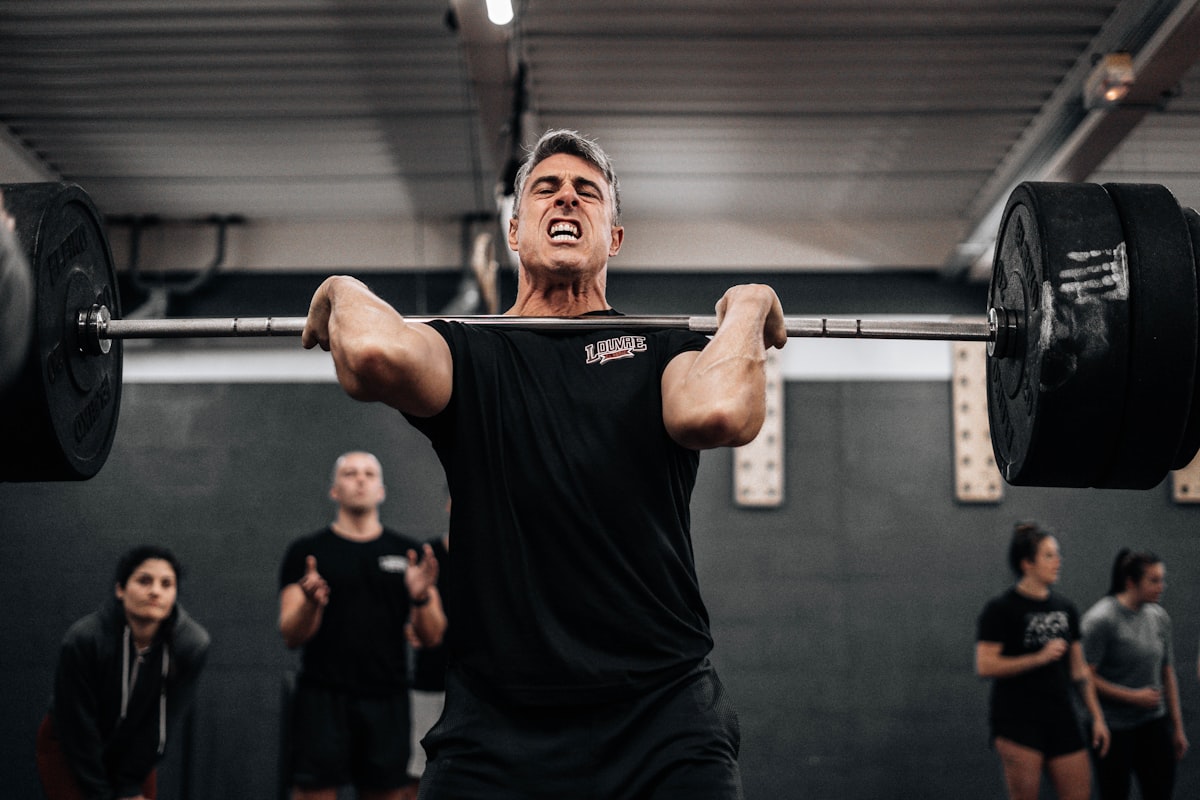
Exercise Demonstrations & Proper Form
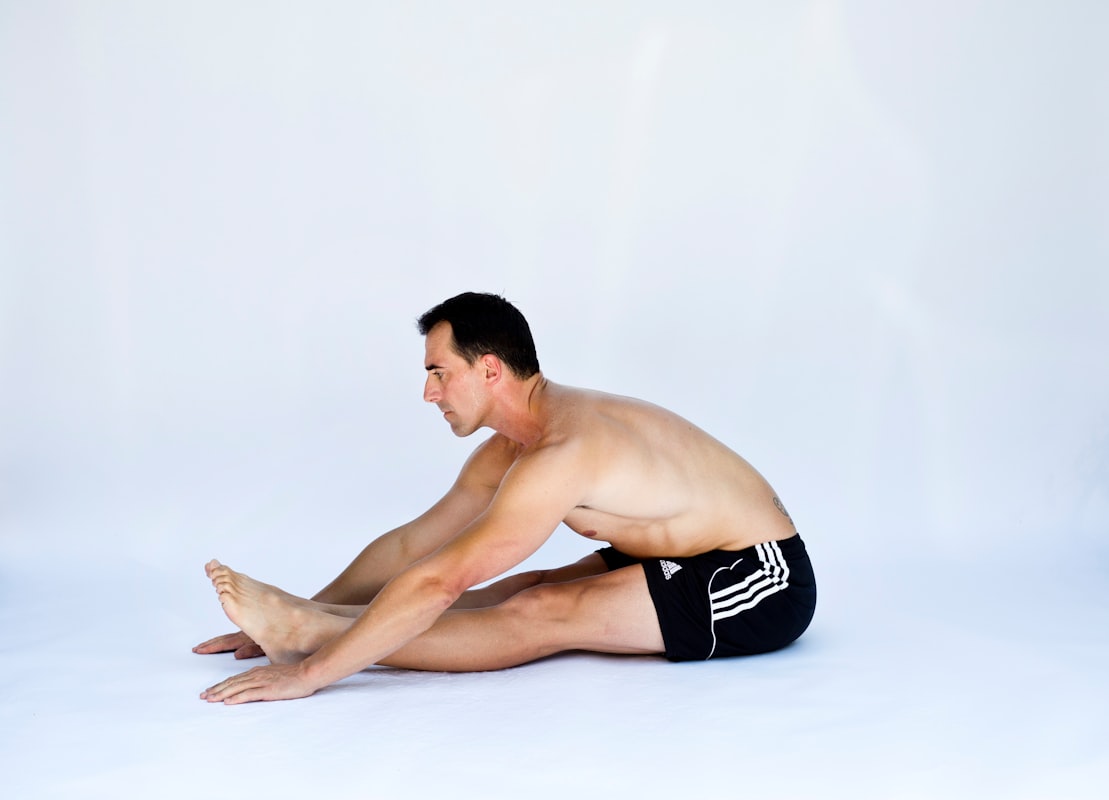
Bodyweight Squats
Master the fundamental squat movement with proper foot placement, knee alignment, and depth control. Squats build leg strength and maintain lower body mobility essential for daily activities like climbing stairs and standing from chairs.

Incline Push-Ups
Learn proper push-up technique starting from an elevated surface for safety and control. This exercise strengthens chest, shoulders, and triceps while building core stability. Progression allows advancement as you build strength.

Modified Deadlifts
Develop safe deadlift mechanics starting with lighter loads and elevated surfaces. This compound movement strengthens your entire posterior chain, including back, glutes, and hamstrings—crucial for posture and functionality.
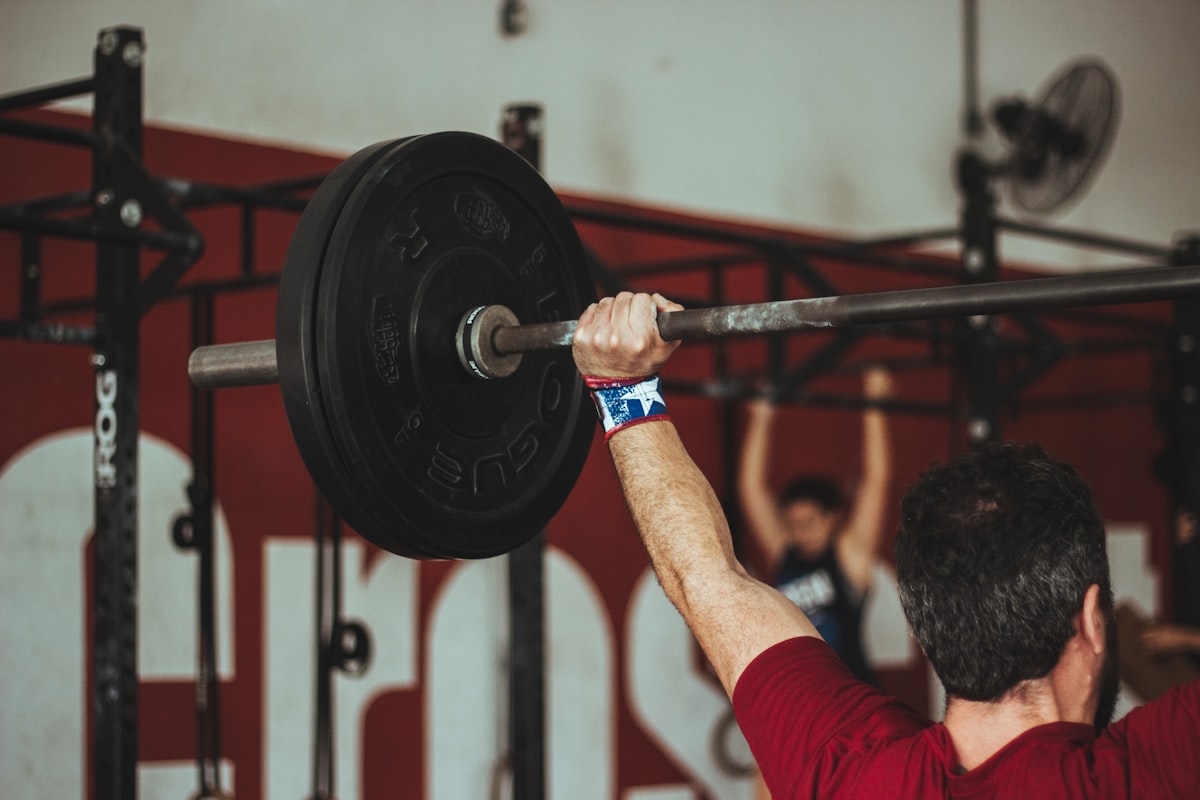
Single-Arm Rows
Strengthen your back, shoulders, and core with controlled rowing movements. Proper form emphasizes pulling the elbow back and squeezing shoulder blades together. Strong back muscles support posture and reduce shoulder strain.
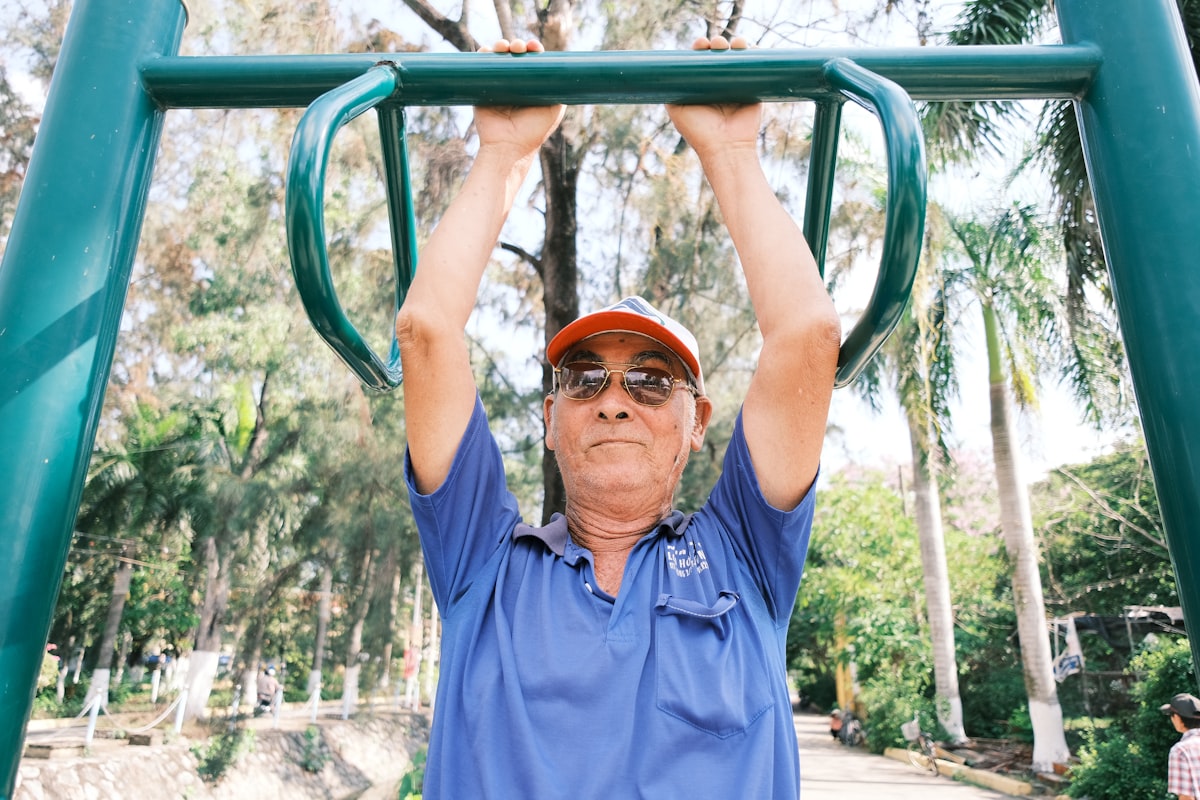
Controlled Step-Ups
Build single-leg strength and balance by stepping up onto a low platform with control. This functional movement mimics real-world activities and strengthens quadriceps, glutes, and stabiliser muscles.
Planks for Core Stability
Develop core strength and spinal stability with proper plank positioning. A strong core supports all movements, improves posture, and reduces back strain. Hold time increases gradually as your core endurance improves.
Understanding Training Principles
Progressive Overload
Gradually increase resistance, repetitions, or difficulty over time. Small, consistent improvements build strength safely without overwhelming your body or risking injury.
Recovery Emphasis
Allow 48 hours between training the same muscle groups. Quality sleep, proper nutrition, and rest days are when adaptation happens—they're as important as the training itself.
Form First
Prioritize perfect movement technique over heavy weight. Poor form increases injury risk and reduces exercise effectiveness. Master the movement before adding resistance.
Consistency Over Intensity
Regular moderate training produces better results than sporadic intense sessions. Training 3-4 times weekly, maintained long-term, beats occasional heavy workouts.
Common Questions About Fitness After 50
Yes, strength training is safe and highly beneficial at any age when done properly. Starting with lighter weights, proper form, and adequate warm-up minimises injury risk. Many men begin training in their 50s, 60s, and beyond with excellent results. If you have existing health conditions, consulting with your doctor before starting is prudent. The key is progressive, controlled training with proper recovery.
For men over 50, 3-4 training sessions per week is ideal. This frequency provides enough stimulus for adaptation while allowing adequate recovery. A typical schedule might include 2-3 strength training days and 1-2 cardiovascular or flexibility sessions. Rest days between sessions working the same muscle groups are essential. More frequent training doesn't always produce better results—consistent, moderate training is more sustainable and effective long-term.
Warm up with 5-10 minutes of light cardio to elevate heart rate, follow with dynamic stretching to improve mobility, and perform activation exercises targeting the muscles you'll use. Cool down with 5-10 minutes of slow movement and static stretching. This routine prevents injury, improves performance, and aids recovery. Never skip warm-up—it's crucial for joint health and injury prevention.
Allow at least 48 hours (2 days) of recovery between training the same muscle groups. This timeframe allows muscle repair and adaptation. For example, if you train chest on Monday, train it again no sooner than Wednesday. Alternatively, alternate which muscle groups you train on different days (upper/lower split). Active recovery on rest days—light walking or stretching—can support overall recovery without impeding muscle repair.
Both approaches work, but moderate weight with higher reps (12-15 repetitions) is often preferable for men over 50. This range builds strength while reducing joint stress and injury risk. However, some heavier resistance with lower reps (8-10) is beneficial for bone density and muscle development. A balanced approach combining both ranges throughout your week provides optimal results. Prioritise form and control over lifting the heaviest possible weight.
Yes, resistance training is the most effective method for preventing and reversing sarcopenia (age-related muscle loss). Regular strength work stimulates muscle protein synthesis and maintains lean tissue. Combined with adequate protein intake and proper recovery, consistent training can actually increase muscle mass even in your 60s, 70s, and beyond. Many men report feeling stronger and more capable in their 50s than they did in their 40s through dedicated training.
Most exercises have modifications for joint concerns. For example, use incline push-ups instead of floor push-ups, elevated chairs for squats, or water-based exercises for reduced impact. Range of motion can be restricted—train within a pain-free range and gradually expand it. Heat before exercise, ice after if needed. Work with a physical therapist or trainer experienced with older adults for personalised modifications. Exercise often reduces joint pain long-term by strengthening supporting muscles.
Adequate protein intake is crucial—aim for 1.2-1.6 grams per kilogram of body weight daily to support muscle maintenance and growth. Include protein at each meal from sources like fish, poultry, eggs, dairy, legumes, and nuts. Stay hydrated, as thirst sensation decreases with age. Include plenty of vegetables for vitamins and minerals, healthy fats for joint health and hormone production, and complex carbohydrates for energy. Consider consulting a nutritionist for personalised guidance aligned with your training goals.
Success Stories from Our Community
"I started training at 54 thinking my best years were behind me. Within three months, I could do more push-ups than I could in my 30s. The structured approach and emphasis on form made all the difference. I feel stronger, more energetic, and genuinely enjoy my workouts now."
Michael Richardson
Manchester, United Kingdom
"The knee pain I had from years of running disappeared almost entirely once I developed strength in my legs and hips. These workouts are thoughtfully designed—not just about lifting heavy, but about building functional strength that actually helps in real life. I'm convinced this approach could have prevented years of joint issues."
David Thompson
Edinburgh, United Kingdom
"I was skeptical about online fitness programs, but Dailyboostnaturale changed my perspective. The natural approach—combining strength training with mobility work—has transformed not just how I look, but how I feel every single day. My energy levels are through the roof."
Maria Gonzalez
Barcelona, Spain
Ready to Transform Your Strength?
Join thousands of members who've discovered the power of natural, functional strength training. Start your journey today with a personalized program tailored to your goals.